Author: B. Snider

  • How Should Mealtime Look When it’s Chaotic?

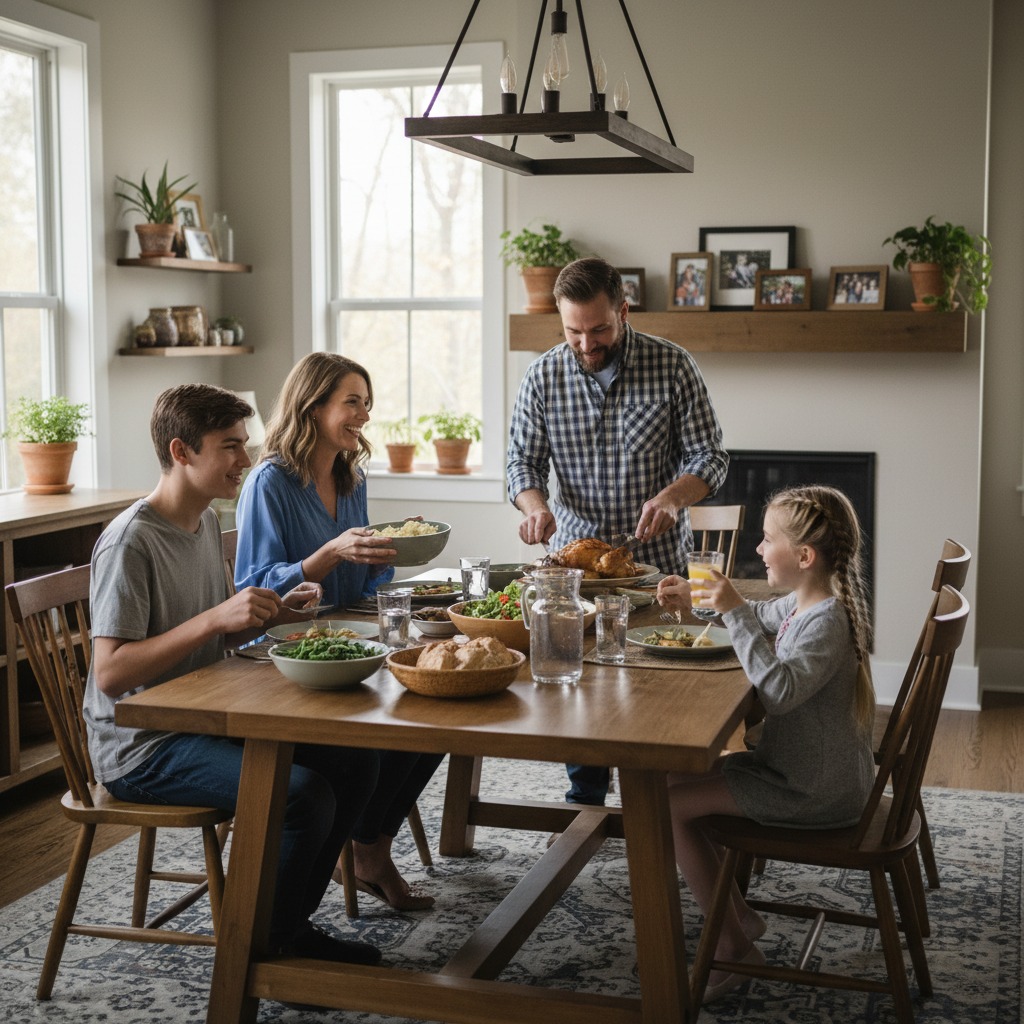
    Mealtime at our house is always an adventure. Three young kids, each with their own attention span, and zero interest in sitting still once the first bite is taken.

    Some nights, I barely sit down before one needs a refill, another insists on showing me a toy, and the third seems to have forgotten how chairs work entirely. It can feel chaotic, noisy, and downright exhausting—especially when all you wanted was to enjoy your meal while it’s still warm.

    There have been times I’ve wondered if I’m doing something wrong. Should they sit longer? Should mealtime be calmer? Should I be managing this better?

    But here’s what I’ve realized: mealtime doesn’t have to be perfect to be meaningful.

    Yes, it’s challenging to get kids to stay at the table. Yes, it’s stressful repeating “please sit down” over and over. But even in the chaos, there are moments worth cherishing—the silly stories, the giggles over spilled milk, the pride when they help set the table or try a new food.

    Some days, dinner is ten peaceful minutes. Other days, it feels like herding cats. And that’s okay!

    I remind myself often: don’t give up. Keep showing up. Keep sitting down with them when you can. Keep building the habit, even when it feels like it’s not sticking. Kids grow, routines change, and one day we’ll look back and miss the noise we once found overwhelming.

    So now, instead of stressing about how long they stay seated, I focus on enjoying what I can—a few bites together, a shared laugh, a quick check-in about their day. It all matters.

    I’d love to hear from other parents—what do you do to help your kids stay focused during meals? Any tips, routines, or “embrace the chaos” moments that have worked for your family?

  • Top 5 Activities to do with Kids on a Snow Day

    Snow days have a way of slowing everything down in the best possible way. Whether it’s snowing outside, school is canceled, or you’re just dealing with an unexpected day off, these moments are a perfect opportunity to connect with your kids and make memories without overcomplicating things. Here are five fun, low-pressure activity ideas that work just as well on a snow day as they do any time kids are home from school.


    1. Build Something Together

    This could be a blanket fort in the living room, a LEGO city on the floor, or even a snowman outside if the weather allows. The goal isn’t perfection—it’s teamwork. Let your kids take the lead, make creative choices, and problem-solve along the way. These are the moments where imagination really shines.

    Bonus tip: Leave it up all day if you can. Kids love coming back to something they created.

    2. Have a Cozy Movie or Story Day

    Snow days practically beg for cozy vibes. Pick a favorite family movie, start a simple movie marathon, or turn the day into a read-aloud day with books piled high on the couch. Add blankets, pillows, and maybe some popcorn to make it feel extra special.

    If screen time isn’t the goal, audiobooks or storytelling games can be just as magical. And to add that special touch, throw in a pillow fort for extra comfort!

    3. Get Creative With Art

    Pull out crayons, markers, paint, stickers—whatever you already have on hand. Art doesn’t need to be structured. Let kids draw freely, make cards for family members, or create scenes inspired by the snow outside. Older kids might enjoy crafts, journaling, or simple DIY projects.

    Remember: The mess is temporary, but the creativity is worth it.

    4. Cook or Bake Together

    Snow days are perfect for spending extra time in the kitchen. Let kids help with simple tasks like stirring, measuring, or decorating. Baking cookies, making homemade pizza, or even preparing a warm breakfast together can turn into a memory they’ll talk about long after the snow melts.

    It’s also a great way to sneak in learning—math, patience, and responsibility all rolled into one.

    5. Just Play

    Sometimes the best thing you can do is step back and let kids play. Board games, pretend play, dolls, cars, or even just running around the house laughing—unstructured play is incredibly valuable. Join in when invited, or simply be nearby while they do their thing.

    Those quiet, ordinary moments often end up meaning the most.


    Snow days don’t need elaborate plans or expensive activities. A little intention, presence, and flexibility go a long way. Whether it’s snowing outside or school is simply out for the day, these moments are a reminder that time together is what kids remember most.

  • Creating Lasting Memories with Simple Play

    Creating Lasting Memories with Simple Play

    When we imagine creating special memories with our children, we often picture grand trips, costly toys, and meticulously planned activities. Yet, the moments kids cherish most usually come from the simplest play — everyday, relaxed, laughter-filled times spent together. Simple play doesn’t just fill the hours — it nurtures

    Simple play is powerful because it’s accessible. It doesn’t require a full schedule, special equipment, or expert planning. A blanket fort in the living room, sidewalk chalk on a sunny afternoon, or a silly game of “the floor is lava” can become a treasured memory. What matters most to children isn’t how elaborate the activity is — it’s that you’re present and engaged with them.

    “The moments your child remembers most won’t be the biggest — they’ll be the ones where you were fully there.”

    One of the biggest benefits of simple play is that it invites imagination. A cardboard box becomes a spaceship. A stick becomes a magic wand. A pile of couch cushions turns into a mountain to conquer. When children lead the play, they practice creativity and problem-solving, and they feel seen and valued. Try following their ideas instead of directing the activity — you may be surprised where their imagination takes you.

    Simple play also strengthens emotional connection. Eye contact during a silly game, shared laughter over a pretend tea party, or teamwork while building a block tower all send the same message: I enjoy being with you. These micro-moments of connection build security and trust over time. Even 10–15 minutes of focused, distraction-free play can have a meaningful impact.

    If you’re busy (and most parents are), simple play fits into everyday routines. Turn bath time into a bubble science lab. Make grocery shopping a color-finding game. Tell a collaborative story at bedtime where your child adds the next part. Play doesn’t always have to be separate from real life — it can live inside it.

    Most importantly, let go of the pressure to make everything “Pinterest perfect.” Kids don’t need perfect — they need present. The messy, goofy, unplanned moments are often the ones that stick. Years from now, your child probably won’t remember the brand of toy they had — but they will remember that you sat on the floor and played with them.

    Simple play isn’t small. It’s where big memories grow.

Verified by MonsterInsights