Category: Happy Moments

Ideas, stories, and simple activities that help families create meaningful moments together.

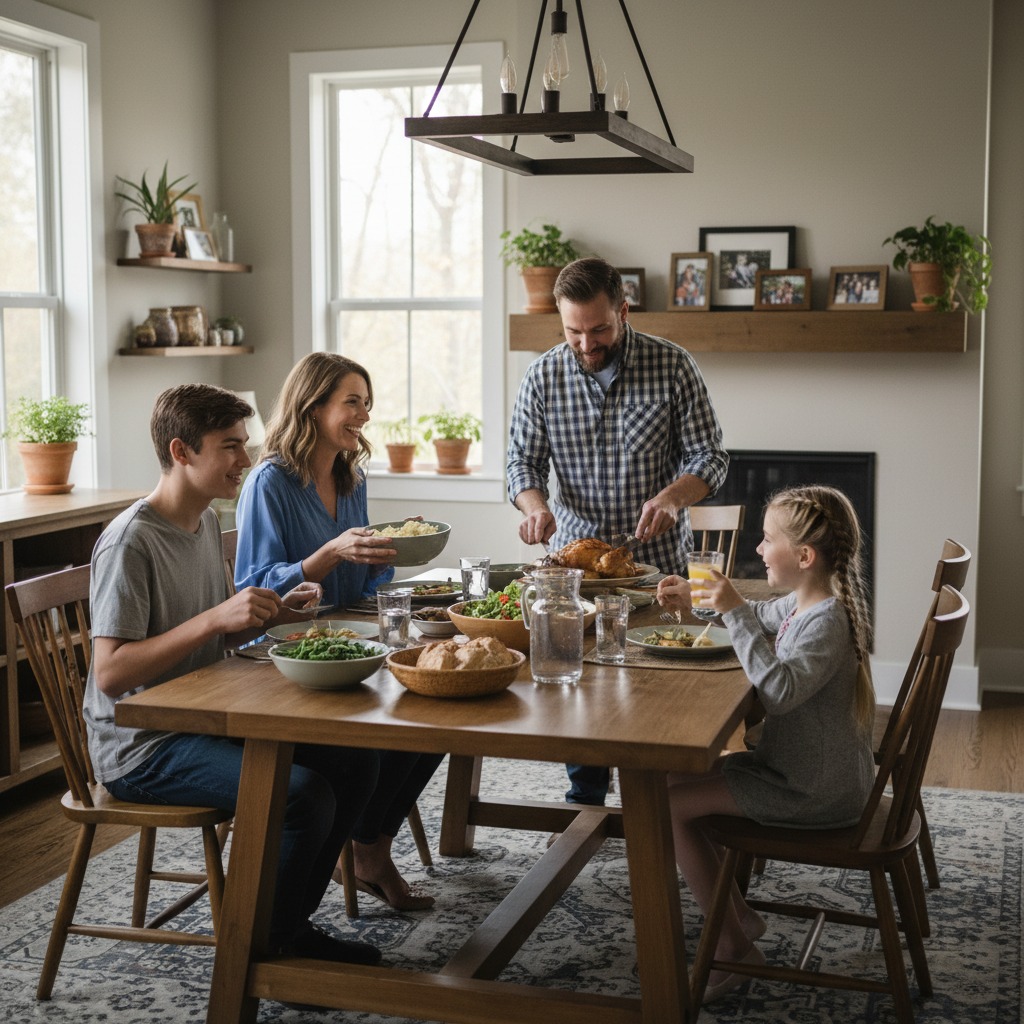
  • How Should Mealtime Look When it’s Chaotic?

    Mealtime at our house is always an adventure. Three young kids, each with their own attention span, and zero interest in sitting still once the first bite is taken.

    Some nights, I barely sit down before one needs a refill, another insists on showing me a toy, and the third seems to have forgotten how chairs work entirely. It can feel chaotic, noisy, and downright exhausting—especially when all you wanted was to enjoy your meal while it’s still warm.

    There have been times I’ve wondered if I’m doing something wrong. Should they sit longer? Should mealtime be calmer? Should I be managing this better?

    But here’s what I’ve realized: mealtime doesn’t have to be perfect to be meaningful.

    Yes, it’s challenging to get kids to stay at the table. Yes, it’s stressful repeating “please sit down” over and over. But even in the chaos, there are moments worth cherishing—the silly stories, the giggles over spilled milk, the pride when they help set the table or try a new food.

    Some days, dinner is ten peaceful minutes. Other days, it feels like herding cats. And that’s okay!

    I remind myself often: don’t give up. Keep showing up. Keep sitting down with them when you can. Keep building the habit, even when it feels like it’s not sticking. Kids grow, routines change, and one day we’ll look back and miss the noise we once found overwhelming.

    So now, instead of stressing about how long they stay seated, I focus on enjoying what I can—a few bites together, a shared laugh, a quick check-in about their day. It all matters.

    I’d love to hear from other parents—what do you do to help your kids stay focused during meals? Any tips, routines, or “embrace the chaos” moments that have worked for your family?

  • Creating Lasting Memories with Simple Play

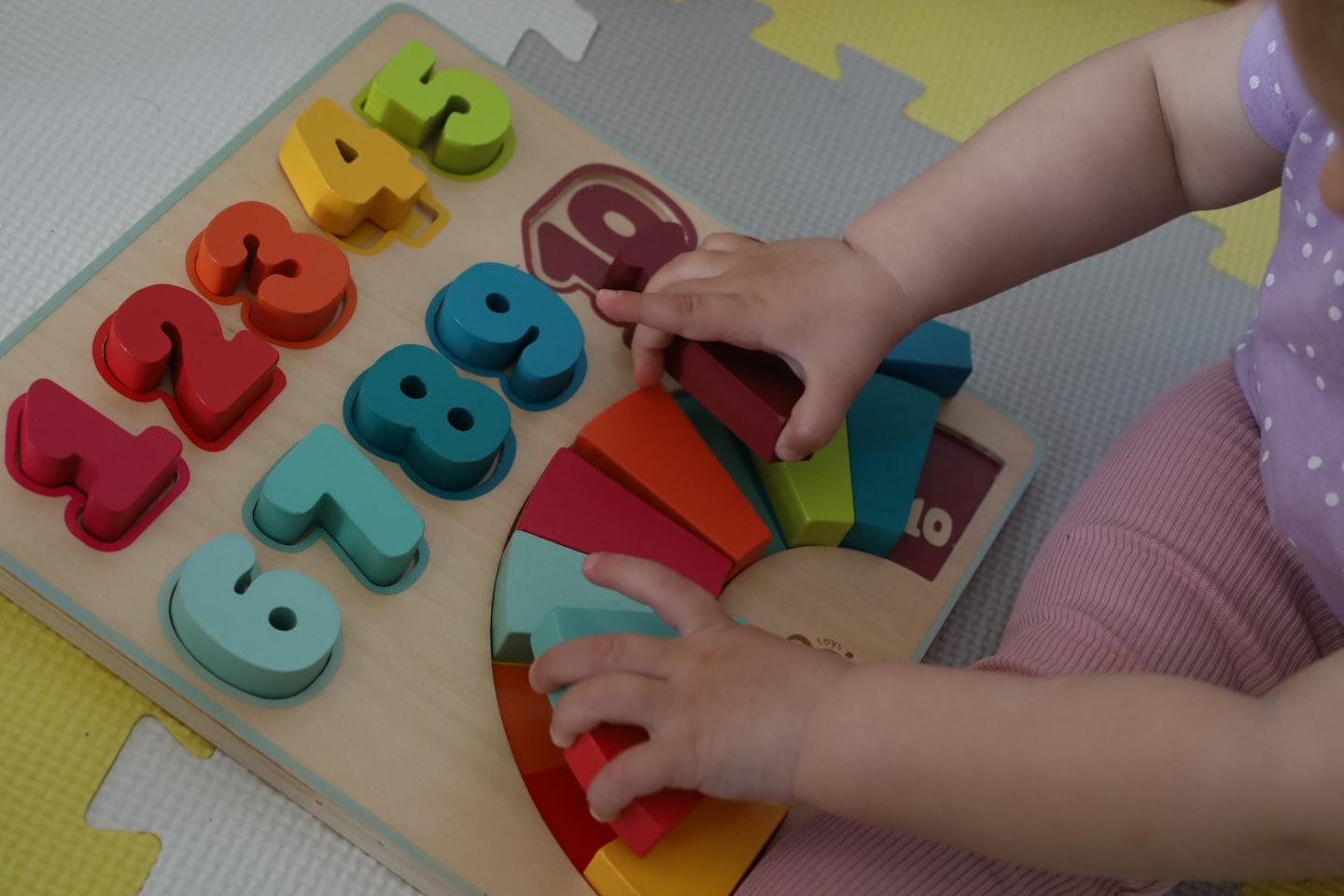
    Creating Lasting Memories with Simple Play

    When we imagine creating special memories with our children, we often picture grand trips, costly toys, and meticulously planned activities. Yet, the moments kids cherish most usually come from the simplest play — everyday, relaxed, laughter-filled times spent together. Simple play doesn’t just fill the hours — it nurtures

    Simple play is powerful because it’s accessible. It doesn’t require a full schedule, special equipment, or expert planning. A blanket fort in the living room, sidewalk chalk on a sunny afternoon, or a silly game of “the floor is lava” can become a treasured memory. What matters most to children isn’t how elaborate the activity is — it’s that you’re present and engaged with them.

    “The moments your child remembers most won’t be the biggest — they’ll be the ones where you were fully there.”

    One of the biggest benefits of simple play is that it invites imagination. A cardboard box becomes a spaceship. A stick becomes a magic wand. A pile of couch cushions turns into a mountain to conquer. When children lead the play, they practice creativity and problem-solving, and they feel seen and valued. Try following their ideas instead of directing the activity — you may be surprised where their imagination takes you.

    Simple play also strengthens emotional connection. Eye contact during a silly game, shared laughter over a pretend tea party, or teamwork while building a block tower all send the same message: I enjoy being with you. These micro-moments of connection build security and trust over time. Even 10–15 minutes of focused, distraction-free play can have a meaningful impact.

    If you’re busy (and most parents are), simple play fits into everyday routines. Turn bath time into a bubble science lab. Make grocery shopping a color-finding game. Tell a collaborative story at bedtime where your child adds the next part. Play doesn’t always have to be separate from real life — it can live inside it.

    Most importantly, let go of the pressure to make everything “Pinterest perfect.” Kids don’t need perfect — they need present. The messy, goofy, unplanned moments are often the ones that stick. Years from now, your child probably won’t remember the brand of toy they had — but they will remember that you sat on the floor and played with them.

    Simple play isn’t small. It’s where big memories grow.

Verified by MonsterInsights